


More peaceful days, a happier child, and a family that has room to breathe
It's time to understand what missing nutrient needs is driving your child's behavior
IMAGINE IF... 💭
Imagine dropping your child off at school without dreading your phone. Without bracing for a call that they had another meltdown, another blowup, another moment they couldn't hold themselves together.
Imagine mealtimes that aren't a negotiation. A child who tried a new food without gagging. Bedtimes that don't end with wet sheets. An afternoon without an explosion that leaves you both shaking.
Imagine understanding, finally, why — not just what label fits, but what is actually happening in your child’s body that is making regulation so hard. And knowing exactly what to do about it.
This is not a fantasy. This is what happens when you stop trying to manage the behavior and start addressing the biology underneath it.
You've sat through the evaluations. Implemented the behavior plans. Tried the reward charts, the calming corners, the weighted blankets, the elimination diets. You've read the books. You've done the therapy. You've rearranged your entire family's schedule around managing your child's symptoms. But what if there's an overlooked piece of your child's biology that no one helped you explore.
Discover how mineral imbalances may contribute to common childhood struggles and get a simple step-by-step roadmap to understand what your child may need next.

Here's what most practitioners never tell you:
behavior is biology
The meltdowns, the focus problems, the food refusal, the anger, tics, bedwetting — these are not character flaws and they are not parenting failures. They are symptoms and symptoms have root causes.
In children with behavioral and regulatory challenges, the root cause is almost always mineral imbalance. Specifically:
👉🏼 Copper toxicity drives excess norepinephrine — keeping the nervous system locked in fight-or-flight and making explosive anger and impulsivity nearly impossible to override behaviorally.
👉🏼 Zinc deficiency impairs every neurotransmitter pathway involved in focus, regulation, and calm. It also distorts taste and smell perception — which is why picky eating is almost never a behavioral problem. It’s a zinc problem.
👉🏼 Magnesium depletion means the nervous system has no brake. No GABA. No ability to come down from activation. A magnesium-depleted child cannot self-regulate — not because they won’t, but because they physiologically can’t.
❗️ These imbalances are measurable. They are addressable. And they are the missing piece in every protocol that has tried to modify the behavior without ever asking what is driving it.
You don’t need another strategy. You need to understand what your child’s body is actually missing — and then give it that.
The Regulated Child Protocol
A root-cause guide to ADHD, meltdowns, picky eating, anger, tics, and bedwetting. Written by a naturopathic doctor who has run the labs on hundreds of children and found the same patterns every time.

Stop guessing. Start understanding what your child's nutrient needs are. You don't need another overwhelming list of things to try. You've already tried everything from therapy to weighted blankets, cutting out food dyes, eliminating dairy, timeouts, and sticker charts. You just need to know what your next steps should be and what's contributing to your child's symptoms.
Here's how it works:
Step 1: Complete the 36-point symptom audit — get a clear picture of your child's needs in just a few minutes. Start with this checklist, covering common areas of common struggles. You'll identify which symptoms your child is experiencing, recognize patterns you might not have connected before, and learn which potential mineral related factors are worth exploring.
Step 2: Discover the minerals behind the behavior — in the guide, you'll go straight to the section your child needs. Whether your child is struggling with ADHD, tics, bedwetting, picky eating, anger, meltdowns you'll have a dedicated section explaining how minerals are impacting their behavior and why they matter.
Step 3: The Regulated Child Roadmap — you'll know exactly where to start. Once you've identified the areas where your child needs the most support you'll use the roadmap to turn what you've learned into practical next steps. You will understand which nutrition changes to prioritize and when individual testing may be needed.
You'll begin exploring symptoms and identifying next steps the same day you download the guide.

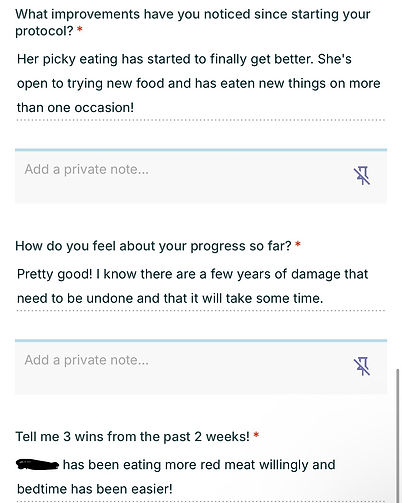
One Month Update From Parents


What if minerals are the missing piece?
You've already spent enough time wondering what else you could be doing to help your child, now you can explore part of their health that might not have been considered before.
With The Regulated Child Protocol, you'll have a symptom audit, 6 targeted educational sections based on what your child needs most, and a clear roadmap to help you understand what action to take next.
LIMITED-TIME OFFER. PRICE RETURNS TO $127 AFTER NOVEMBER 30
Save $80 until Cyber Monday!

due to the digital nature of this guide, no refunds are offered and all sales are final.
About your practitioner

Hi friend! I'm KP Richards, ND, HTMAp — a naturopathic doctor specializing in pediatric behavioral health. I work with families navigating PANS/PANDAS, anger outbursts, meltdowns, picky eating, tantrums, ADHD, anxiety, nightmares, eczema, and more. In almost every single case, minerals are part of the picture.
Frequently Asked Questions
I've already tried removing gluten, dairy, dyes, and ~insert here food/group~. Will this tell me to remove even more foods for my child who's already limited and picky? No! While there might be a recommendation to remove a high copper food like beef liver, I don't believe in limiting an already limited child. The goal is to increase their bioavailability of nutrients through their food, make food fun and enjoyable to eat and digest, and increase their pallet over time.
I've already tried a detox protocol with my child. How is this different? I don't believe in blindly detoxing kids (or adults!) The truth is, most symptomatic kids are being over-detoxed. Their minerals are usually pretty depleted even after their first detox depending on their previous mineral status and age. I believe in giving our kids back the foundational nutrients they need, particularly minerals, and letting the body take it from there!
I've already tried a few different supplements and multivitamins. How is this different? Most people randomly choose when it comes to picking out a supplement for their child. This isn't wrong as we have the best interest of our kids in mind by reading labels and going with the best brand possible. However, most kids might not need more of what's in that supplement like copper, iron, or Vitamin D. Or most kids are severely lacking particular minerals that multis can't cover/give them enough of. Or we run into multis containing bioUNavailable forms of nutrients which causes parents to notice no difference even after being on the supplement for 6+ months. I prefer to hone in on nutrition + minerals and strategically bring in supplements as needed rather than guessing at what could or could not help them.
Does this replace an HTMA test? No. This guide gives you a good place to start by honing in on your child's nutrition and a few supplement recommendations but it does not replace lab testing. If your child is still experiencing symptoms even after the recommendations in the guide, the next recommended step would be an HTMA test to narrow down an individualized protocol specifically for your child's needs. If you want individual testing, you can visit our HTMA for Kids page to get their hair analysis ordered!